
Our Services
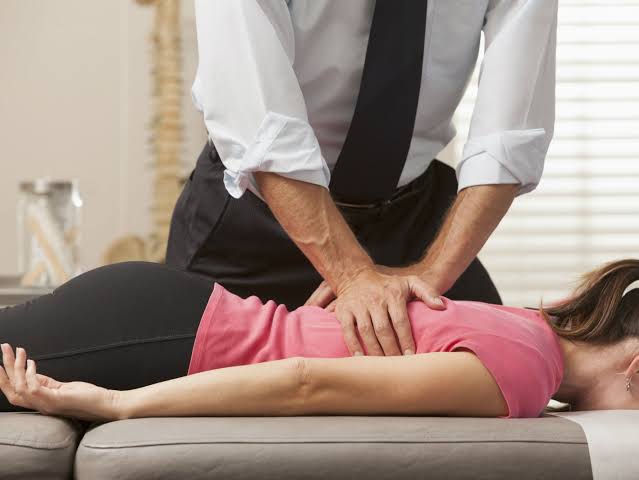
Chiropractic Medicine
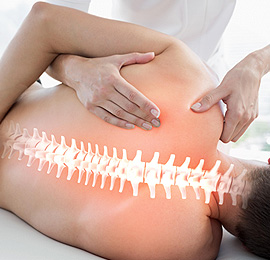
"Chiropractic medicine focuses on diagnosing and treating musculoskeletal disorders, particularly those related to the spine. The spine and nervous system are closely connected, and misalignments (subluxations) can affect overall health.
...
Chiropractic care emphasizes a holistic, drug-free approach to healing, often incorporating lifestyle advice, exercise, and nutrition.
Manual adjustments for patients suffering from Back pain, Neck pain, Headaches and migraines, Sciatica, Joint pain (shoulders, knees, hips) and Sports injuries can restore proper alignment, relieve pain, and improve mobility.
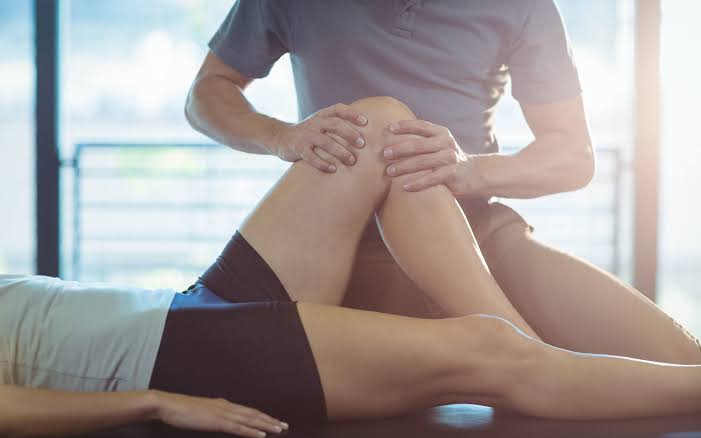
Physiotherapy for Orthopedic/Musculoskeletal conditions
Musculoskeletal physiotherapy is a specialized branch of physical therapy that focuses on diagnosing, treating, and preventing conditions affecting the muscles, bones, joints, ligaments, and tendons.
...It aims to restore movement, reduce pain, and improve function in individuals with musculoskeletal disorders.
We evaluate posture, movement, strength, and joint mobility to identify the cause of pain or dysfunction. After which Hands-on techniques like joint mobilization, manipulation, and myofascial tissue release is done to improve mobility and reduce pain. The treatment plan also involves Tailored strengthening, stretching, and mobility exercises to improve muscle function and prevent re-injury.
We also provide Structured programs for recovery from injuries, surgeries, or chronic conditions like arthritis, Guidance on proper posture, workplace ergonomics, and movement techniques to prevent strain.
Musculoskeletal physiotherapy is often recommended for both acute injuries and chronic pain conditions. It can be used alongside other treatments, such as medication or chiropractic care, depending on the patient’s needs.
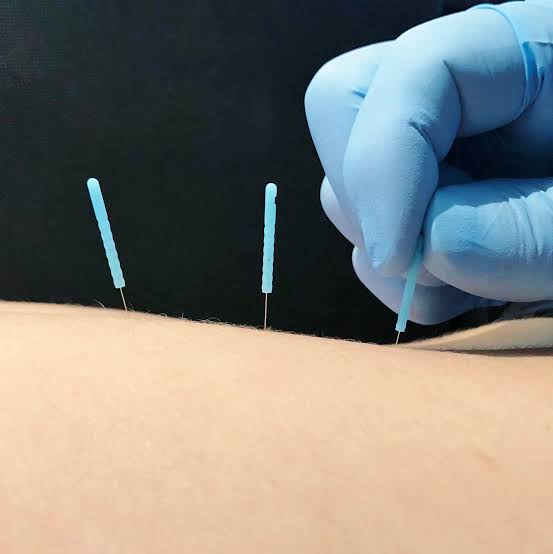
Dry Needling
Dry Needling Therapy is also known as Trigger Point Dry Needling or Myofascial Trigger Point Dry Needling that is performed by skilled, trained physical therapists, certified in the procedure. ... Trigger Points Dry Needling is a treatment technique using fine needles inserted into painful knots in muscles that is used to help relieve pain, relax and lengthen tight muscles. It can release the compression of nerves and blood vessels that supply the muscle. The aim is to help reduce pain, restore mobility and overall function by releasing the Myofascial Trigger Point.
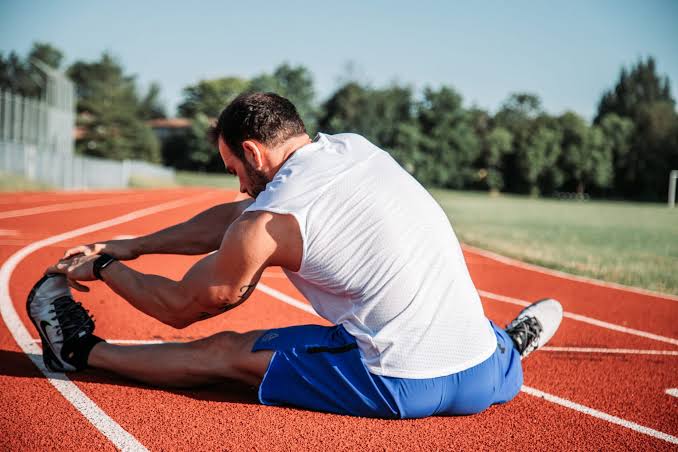
Sports Physiotherapy
We provide a structured process of safely reintegrating an athlete back into their sport after an injury. It involves progressive training, strength rebuilding, and sport-specific exercises to ensure the athlete can perform at their best without a high risk of re-injury.
...
Key Aspects
1. Injury Prevention – Educating athletes on proper warm-up, biomechanics, and conditioning to reduce injury risks.
2. Acute Injury Management – Immediate care and treatment of sports-related injuries like sprains, strains, fractures, and ligament tears.
3. Rehabilitation & Recovery – Tailored exercise programs to restore strength, flexibility, and mobility post-injury.
4. Sport-Specific Training – Functional movements and drills that mimic an athlete’s sport to prepare for competition.
5. Performance Enhancement – Addressing muscle imbalances, optimizing movement patterns, and increasing endurance.
6. Taping & Bracing – Providing support and stability for injured joints and muscles.
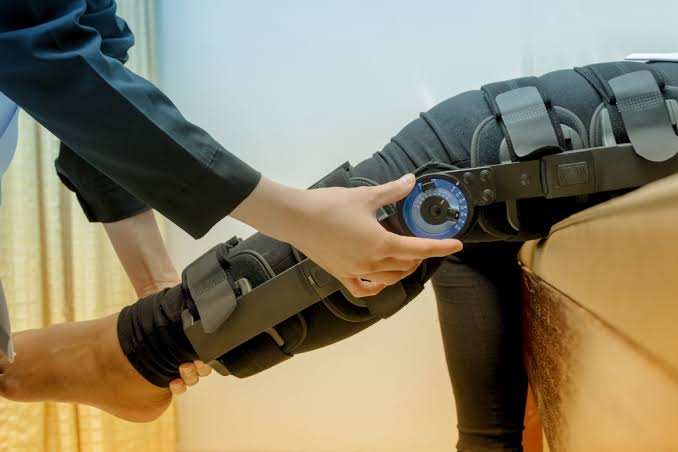
Post-Operative Rehabilitation
Post-operative rehabilitation is a structured recovery program designed to help patients regain strength, mobility, and function after surgery. It aims to reduce pain, restore movement, and prevent complications like stiffness, muscle atrophy, or re-injury. ... The rehab process varies depending on the type of surgery but generally follows a phased approach to ensure safe and effective healing.
Gym Based Rehabilitation
We provide a structured exercise program designed to aid recovery from injuries, surgeries, or chronic conditions using gym equipment and functional training.
...
Key Components of Gym-Based Rehab
1. Mobility & Flexibility Training
2. Strength Training
3. Balance & Proprioception Exercises
4. Cardiovascular Conditioning
5. Functional & Sport-Specific Training
Who Benefits from Gym-Based Rehabilitation?
• Post-Surgical Patients (ACL reconstruction, joint replacements, spinal surgery)
• Athletes Recovering from Injury (muscle tears, ligament injuries)
• Chronic Pain Sufferers (back pain, arthritis)
• Neurological Patients (stroke, MS, balance disorders)
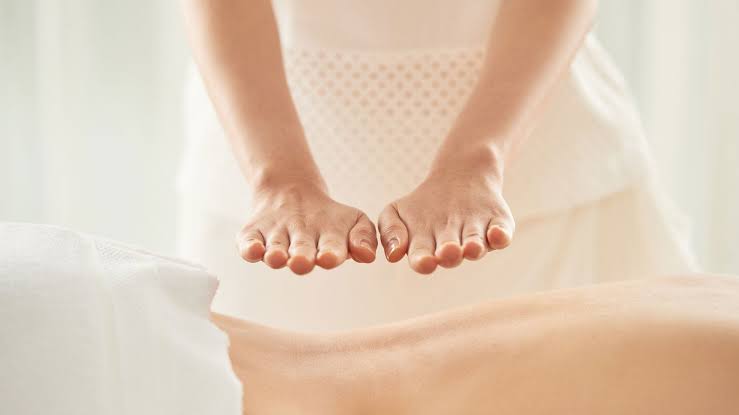
Reiki
Reiki is a Japanese energy healing technique. It’s a complementary or alternative health approach. Reiki does not directly cure diseases or illnesses. Instead, it’s used ... as a way to manage symptoms and improve general well-being. During a reiki session, the practitioner places their hands either directly on you or just above you to bring about healing. The belief is that the practitioner is able to stimulate your body’s natural healing abilities.

Pranic Healing
'Prana' is the Sanskrit word for life force. It is called ‘chi’ in China and ‘ki’ in Japan. Pranic Healing is an energy “no-touch” healing system based on the fundamental principle that the body has ... the innate ability to heal itself. It is a synthesis of ancient, esoteric healing methods that have been rediscovered, researched and tested over decades with proven success by the founder of Modern Pranic Healing, Grand Master Choa Kok Sui. Pranic Healing utilizes “life force,” “energy,” or prana to accelerate the body’s inborn ability to heal itself. It is practiced by hundreds of thousands across the world.